
Livewell Pump Guide: Hooker Livewell System Explained
How to Properly Use the Hooker Livewell System on a Twin Vee
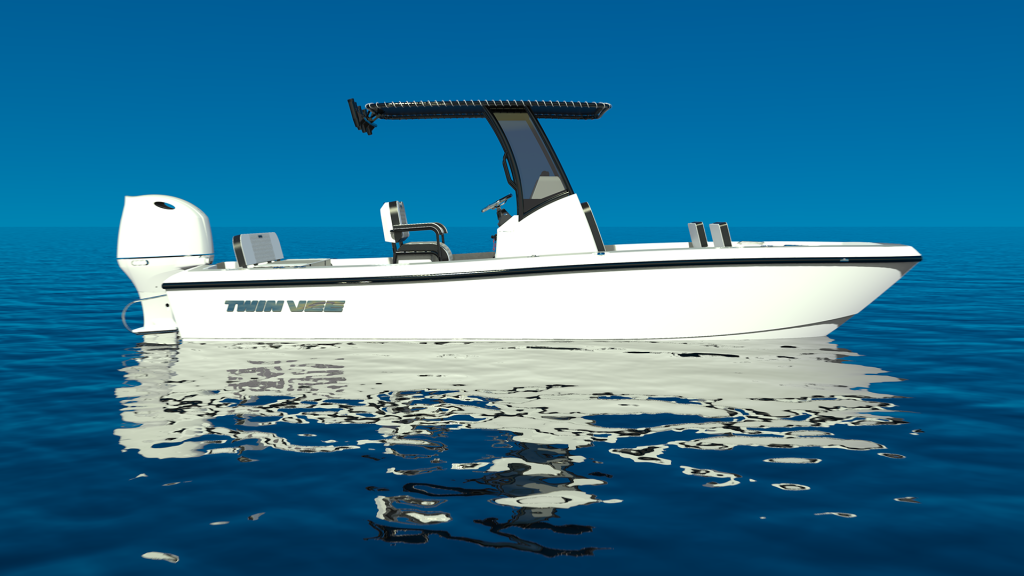
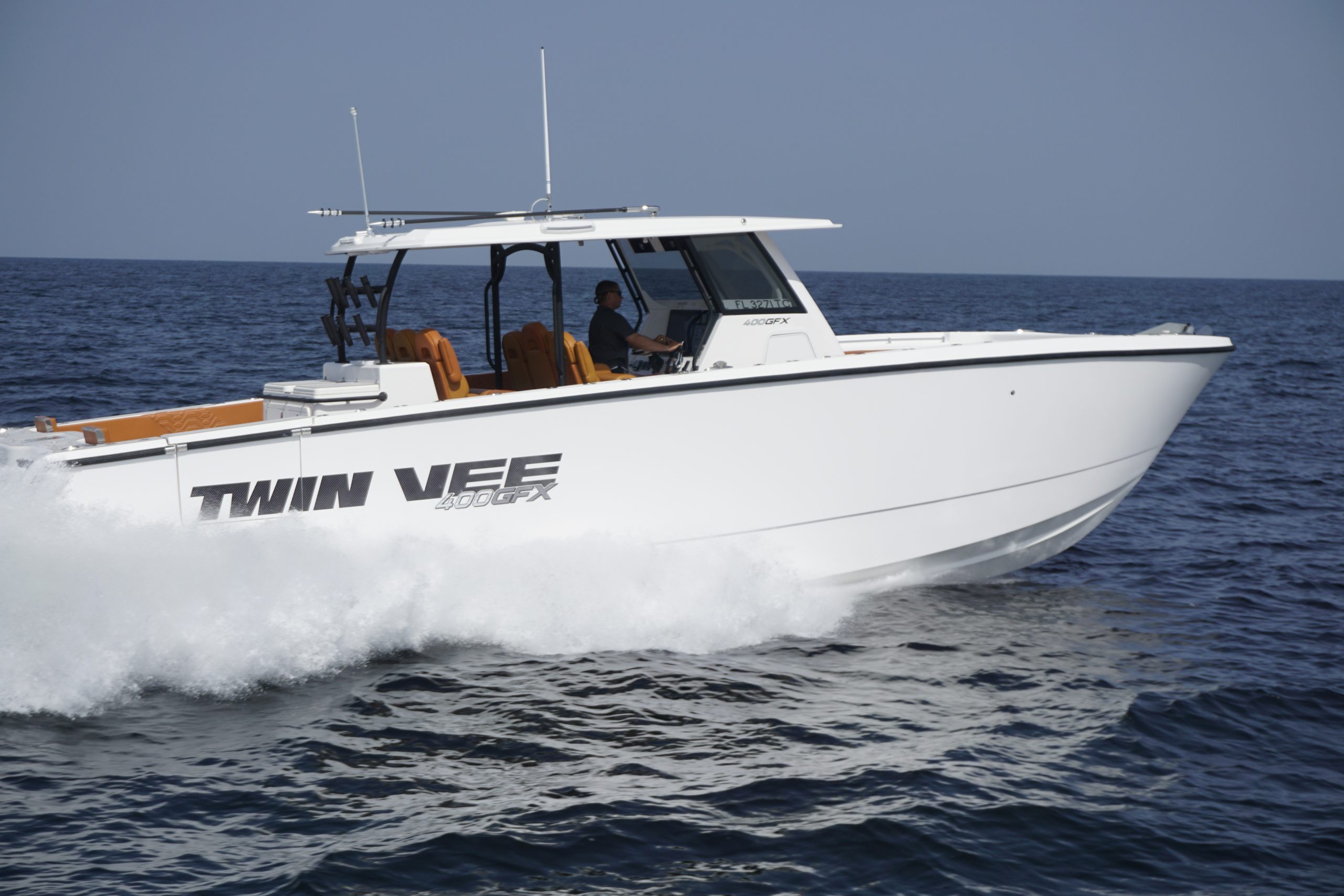
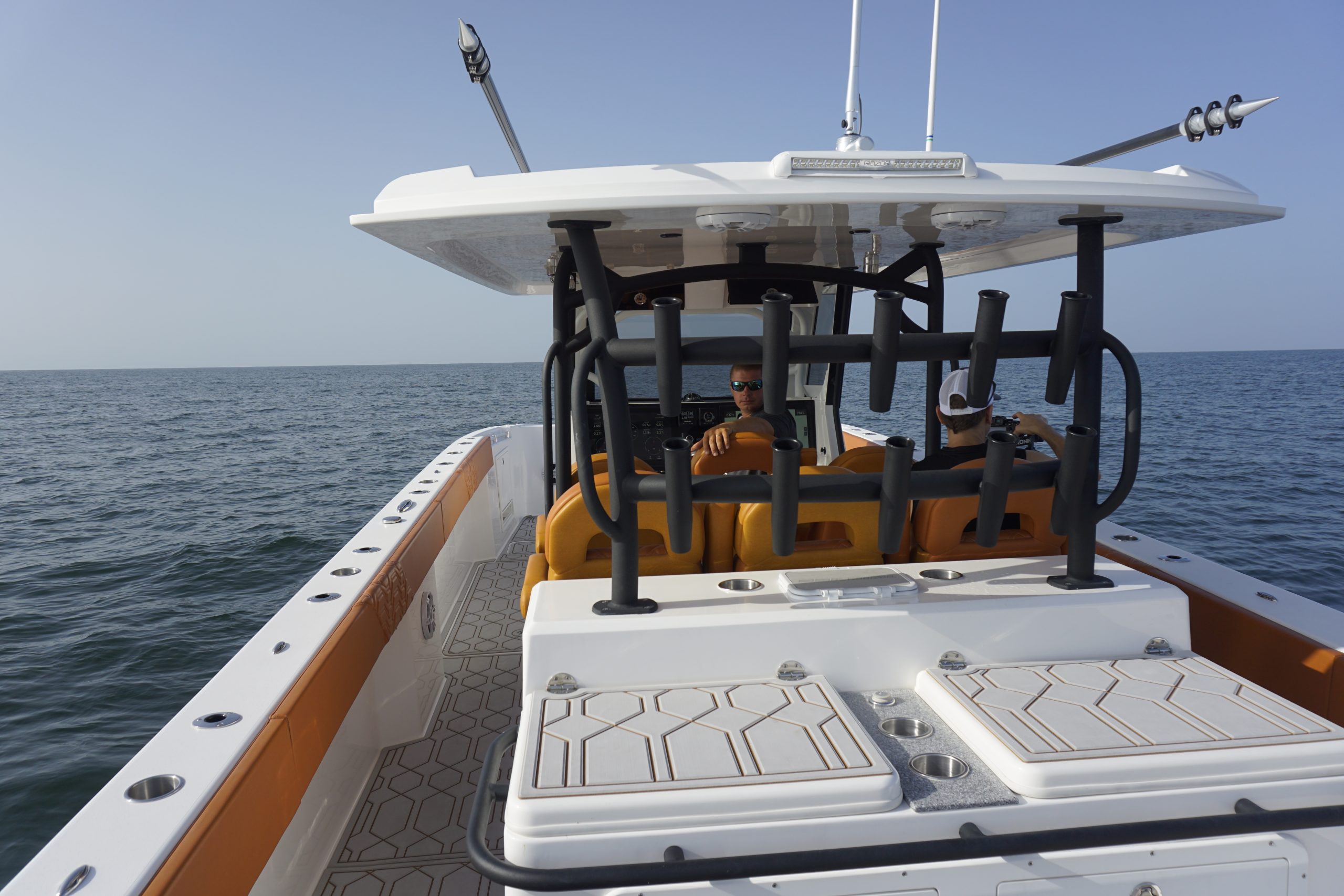
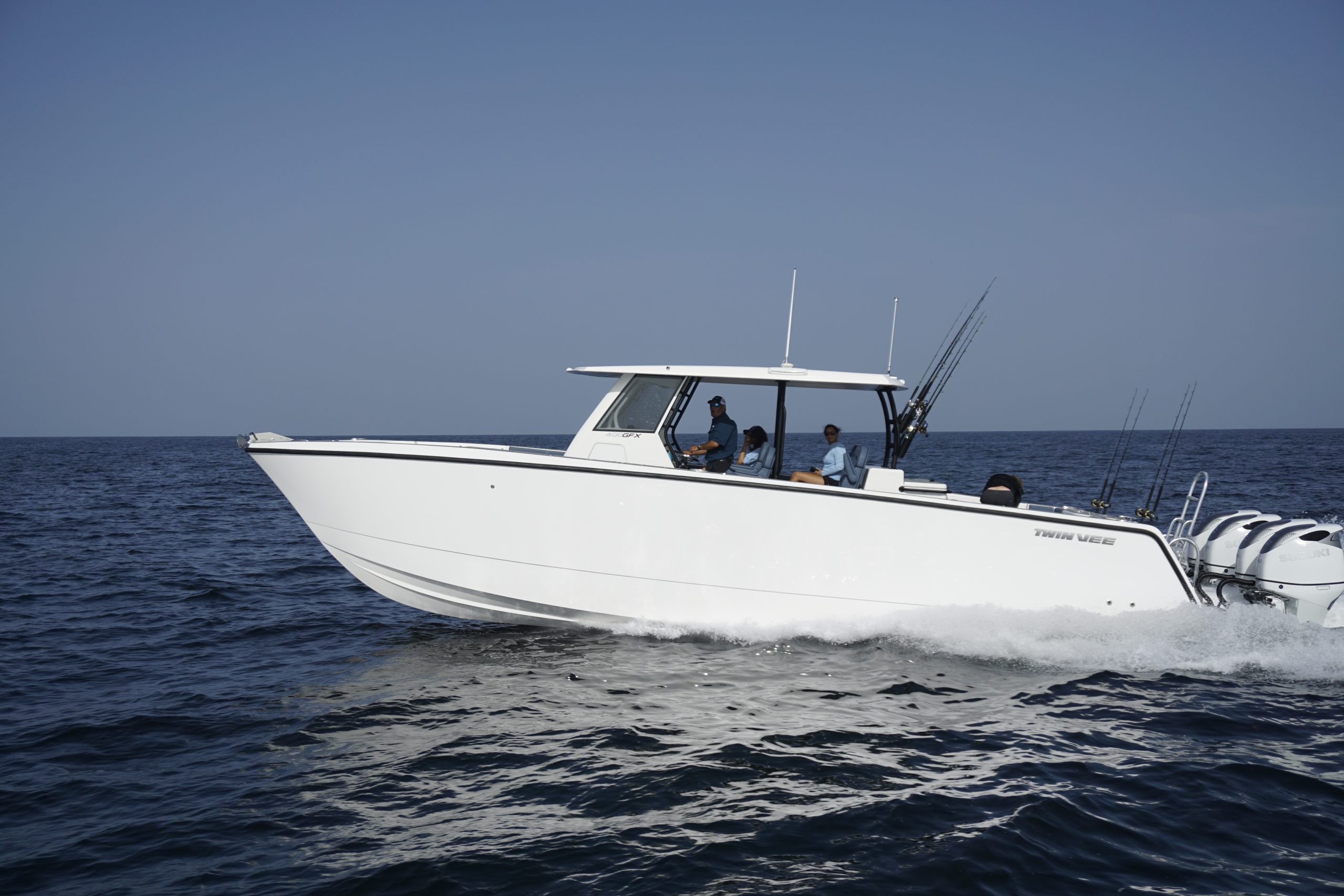
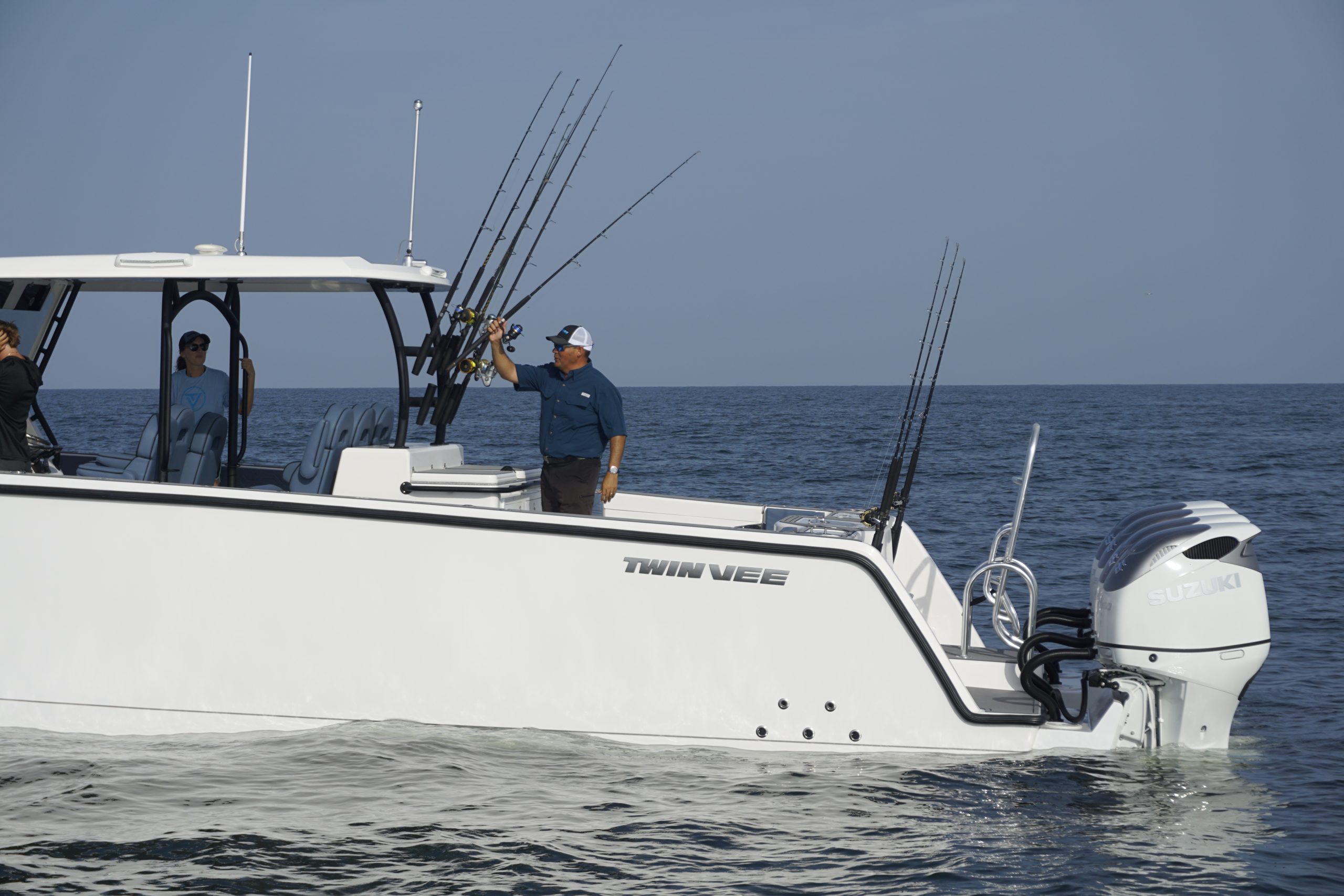
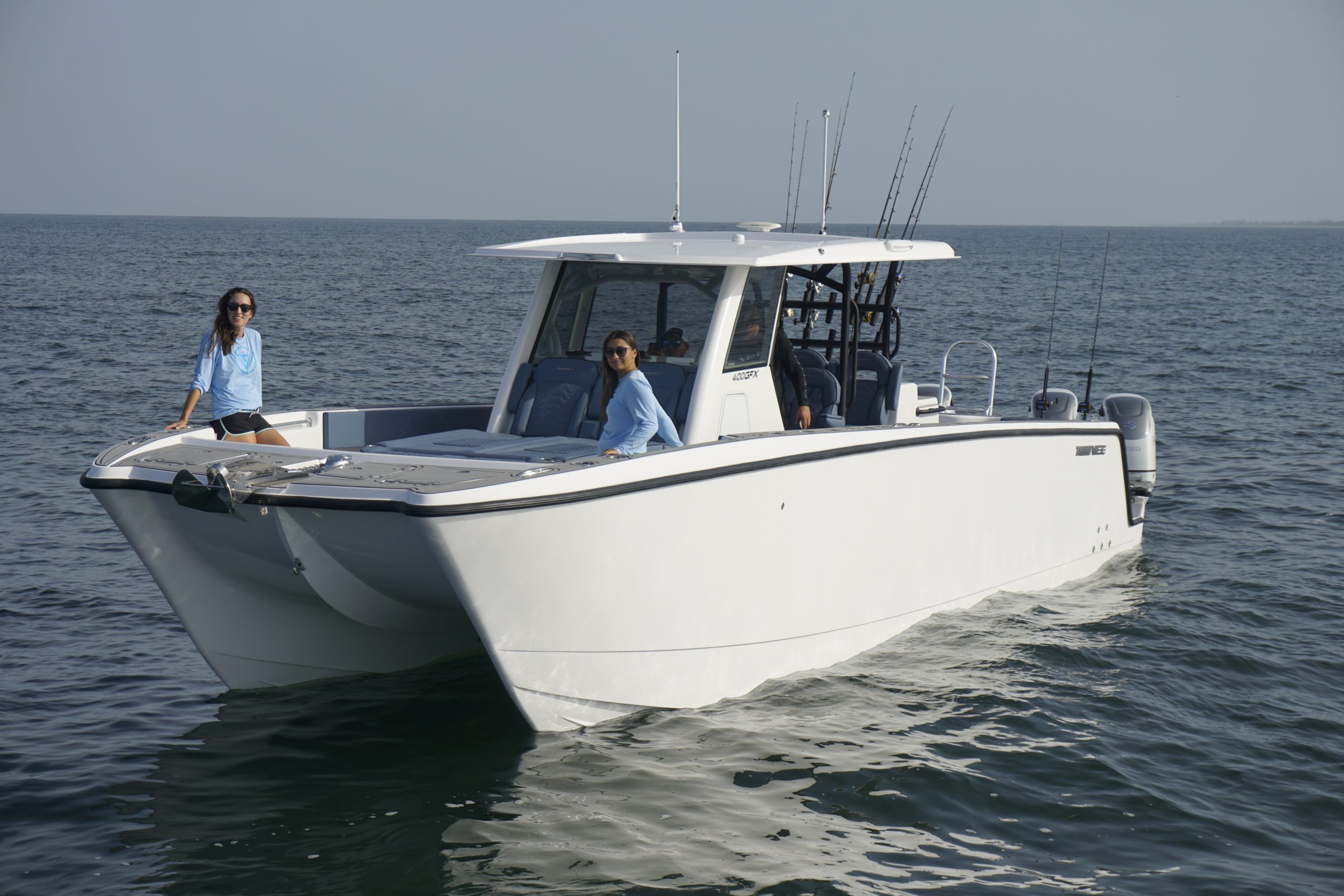
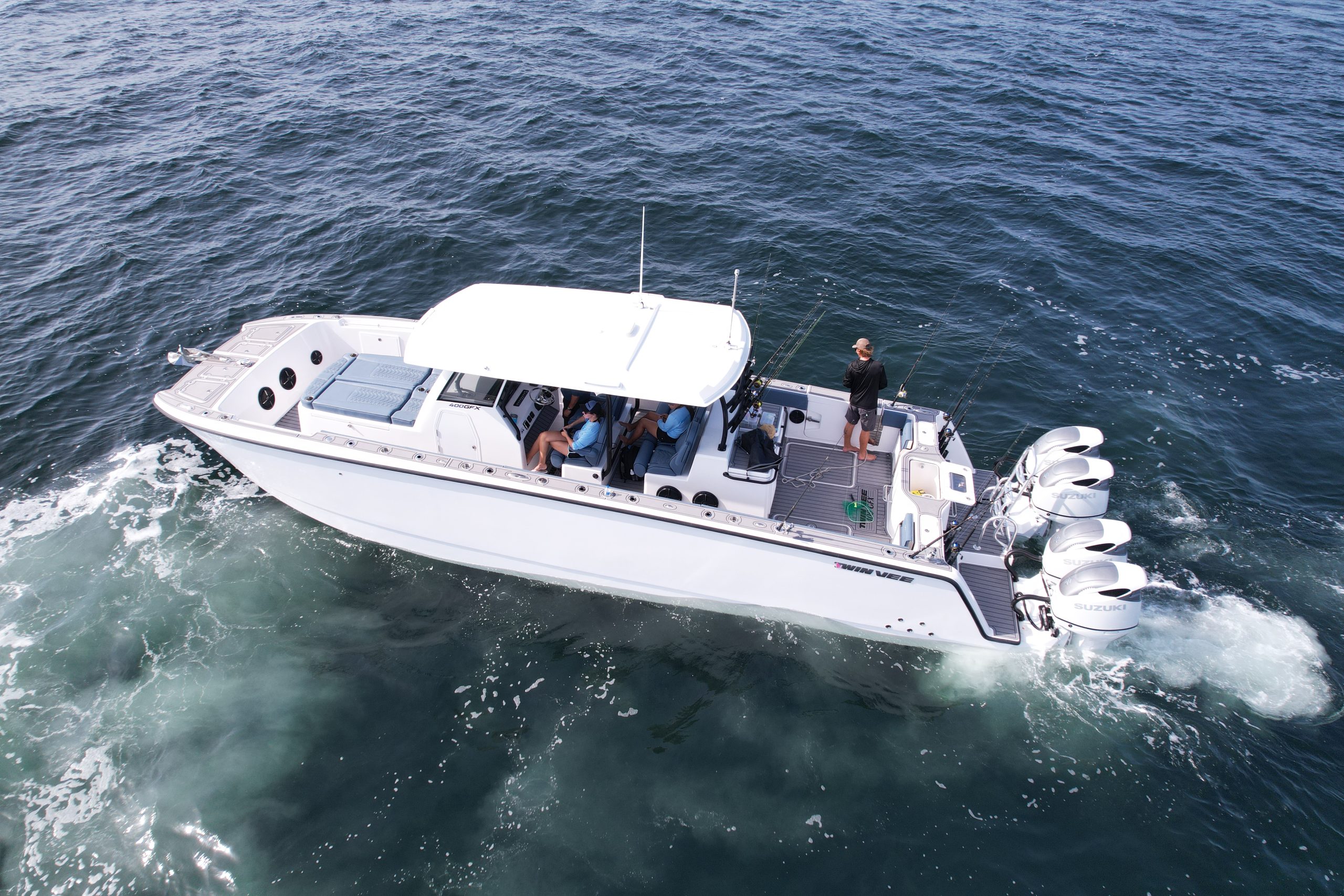
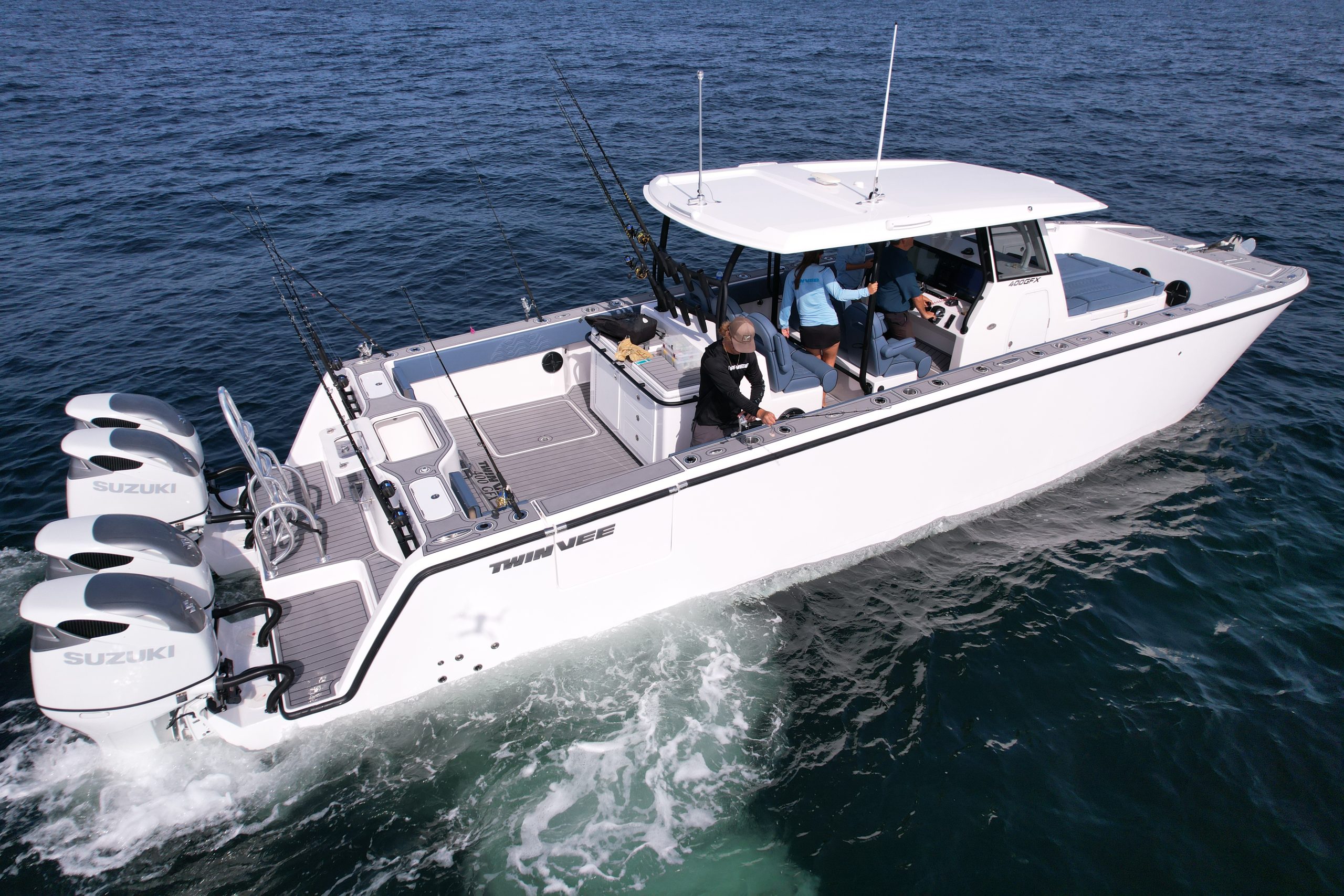
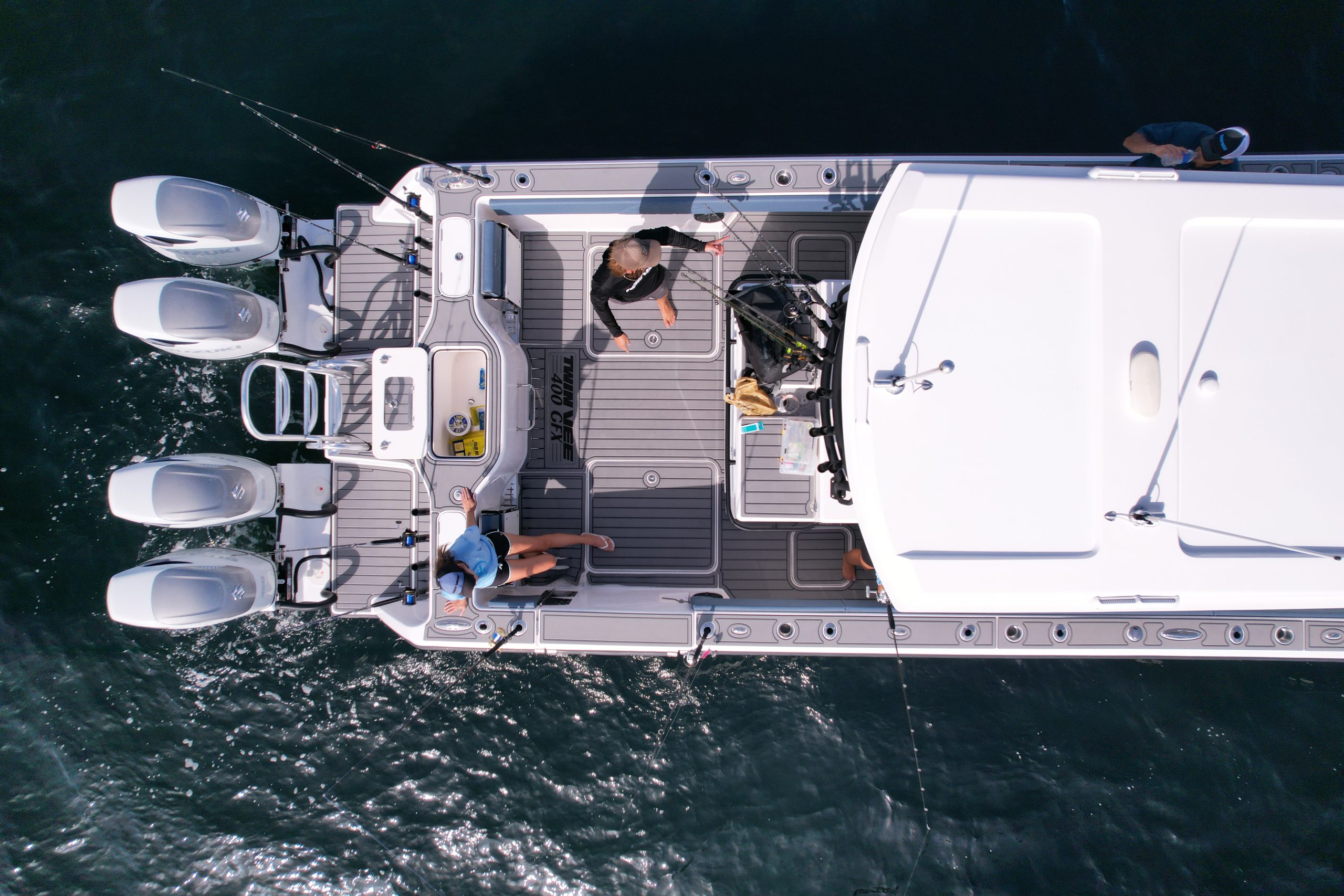
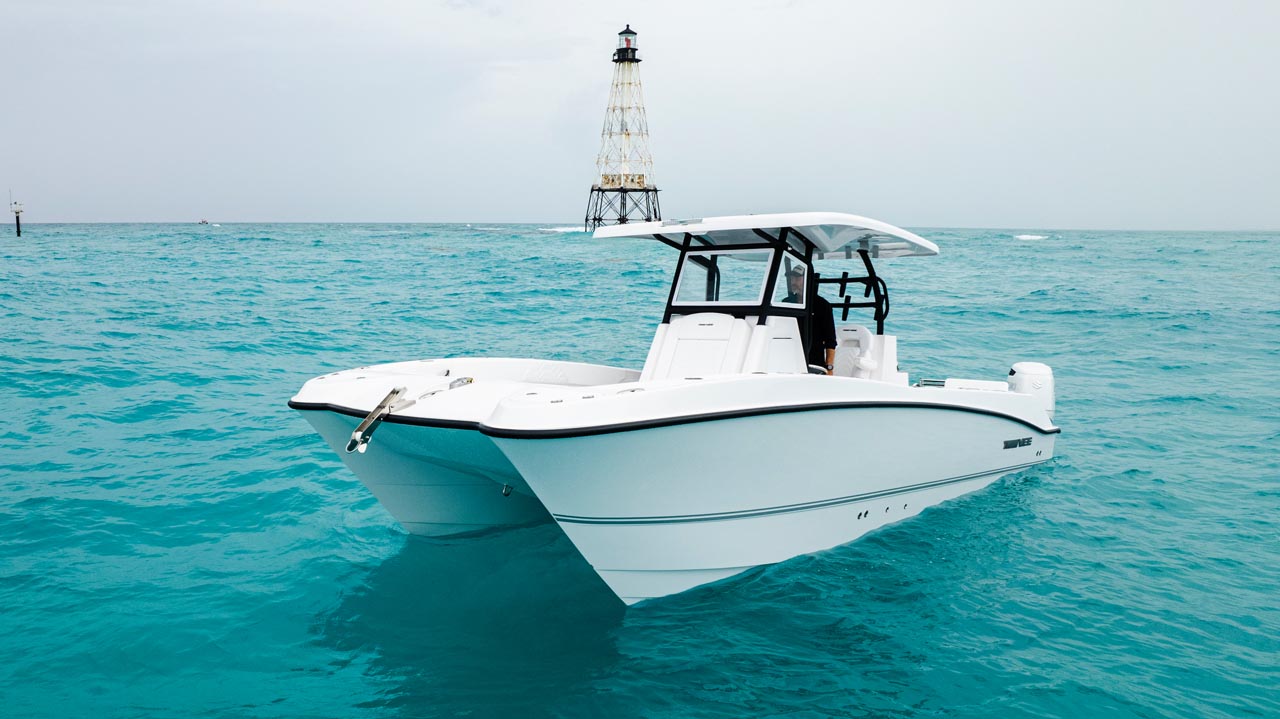
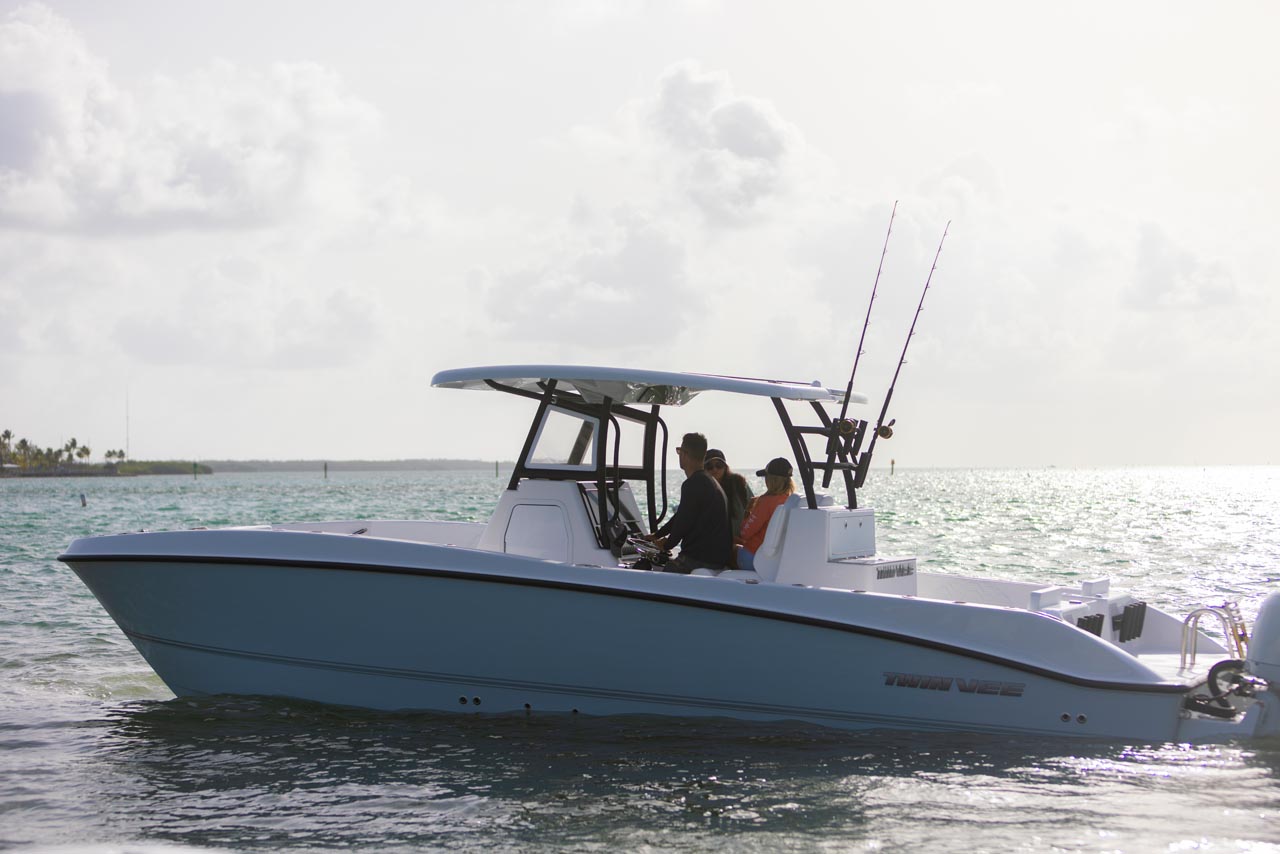
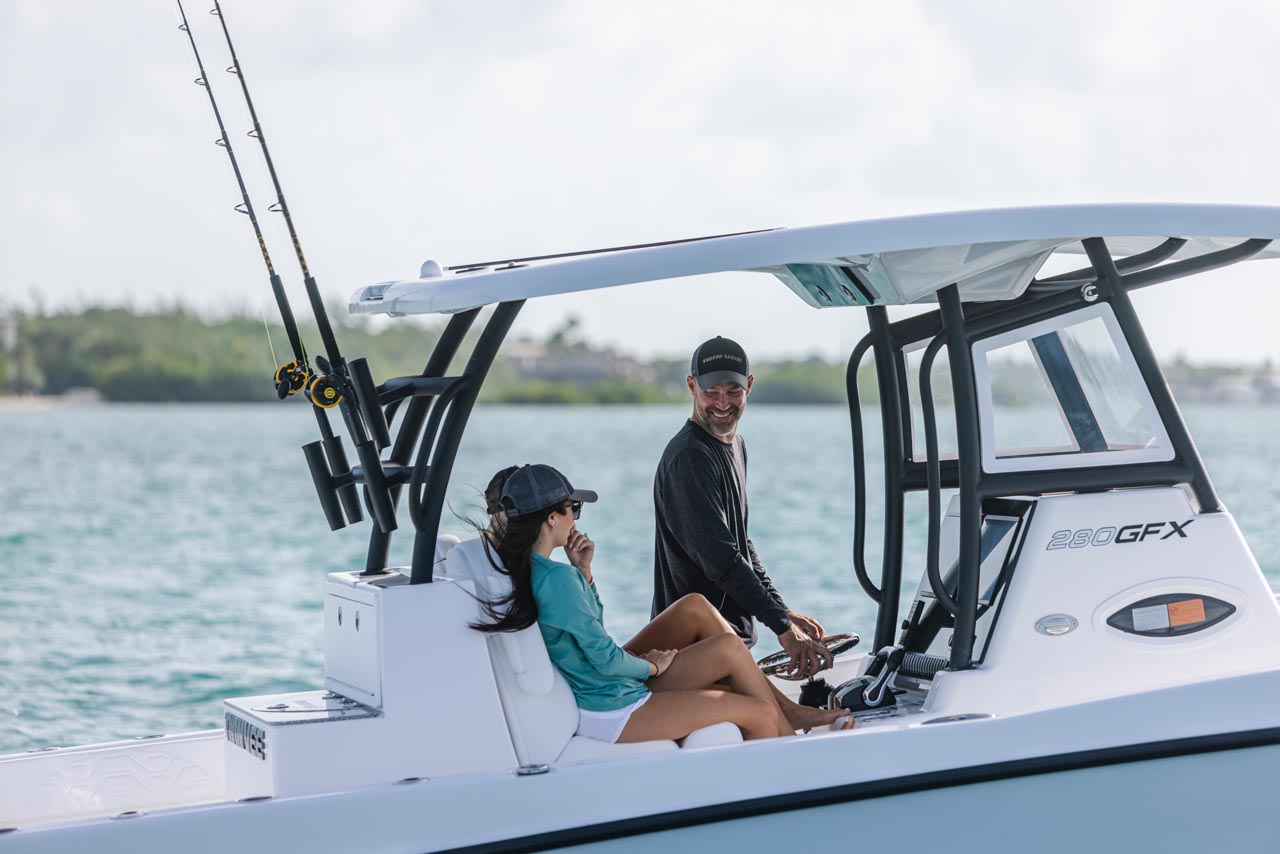
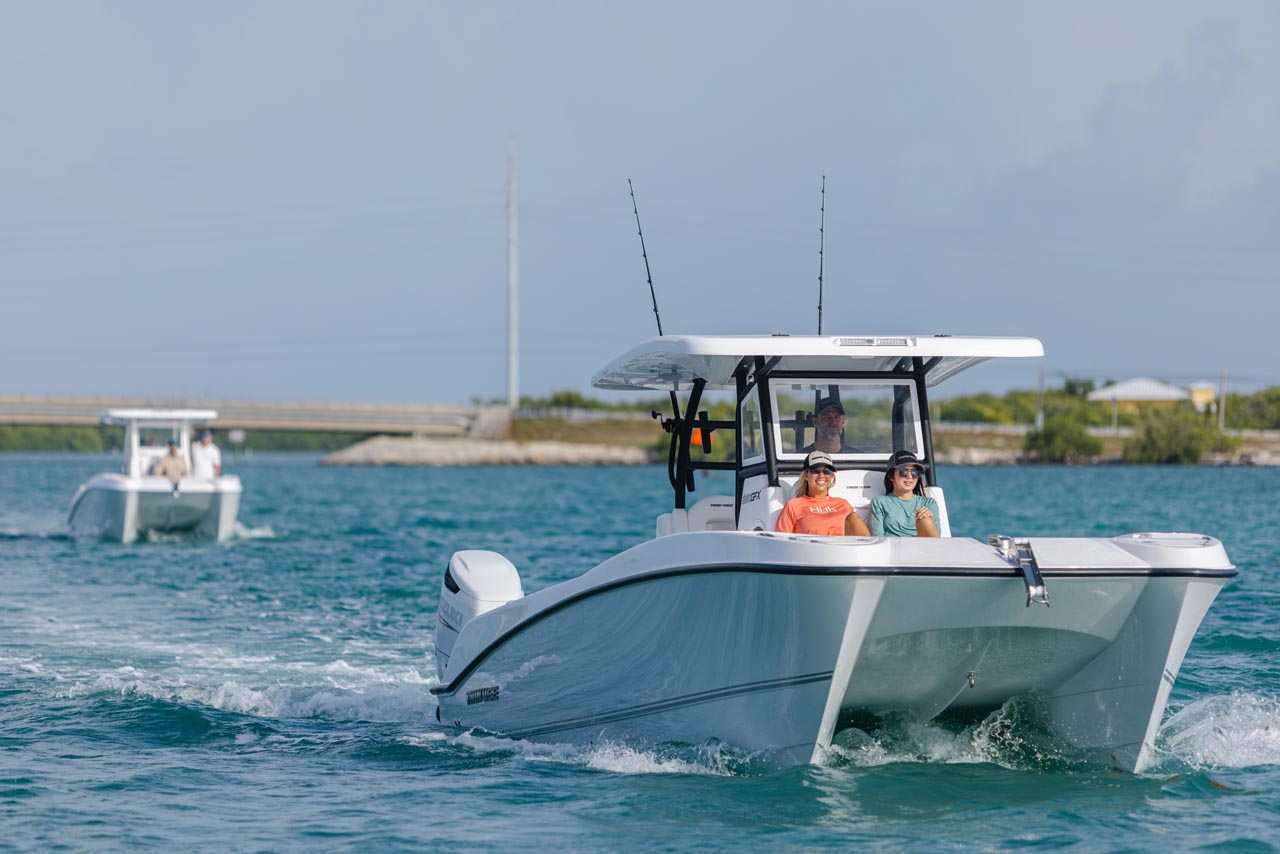
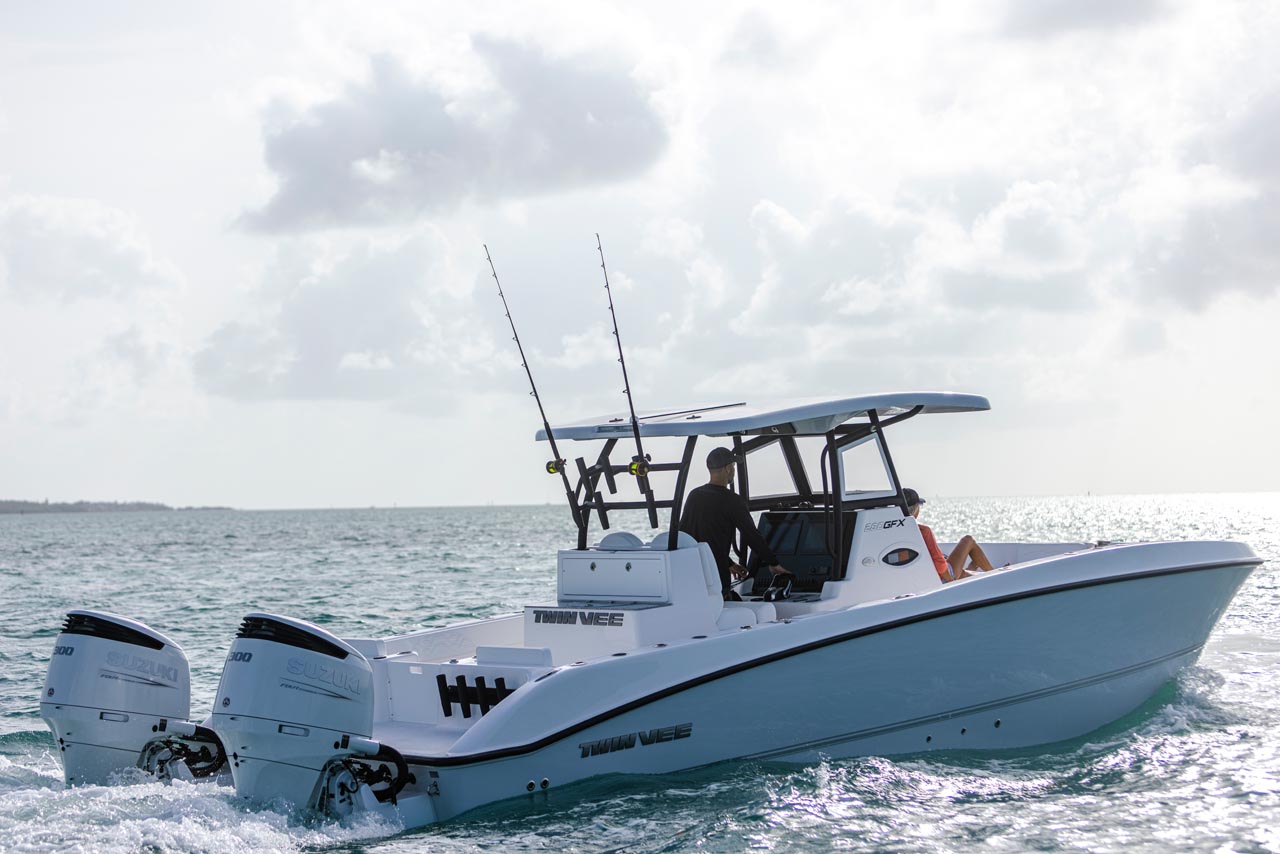
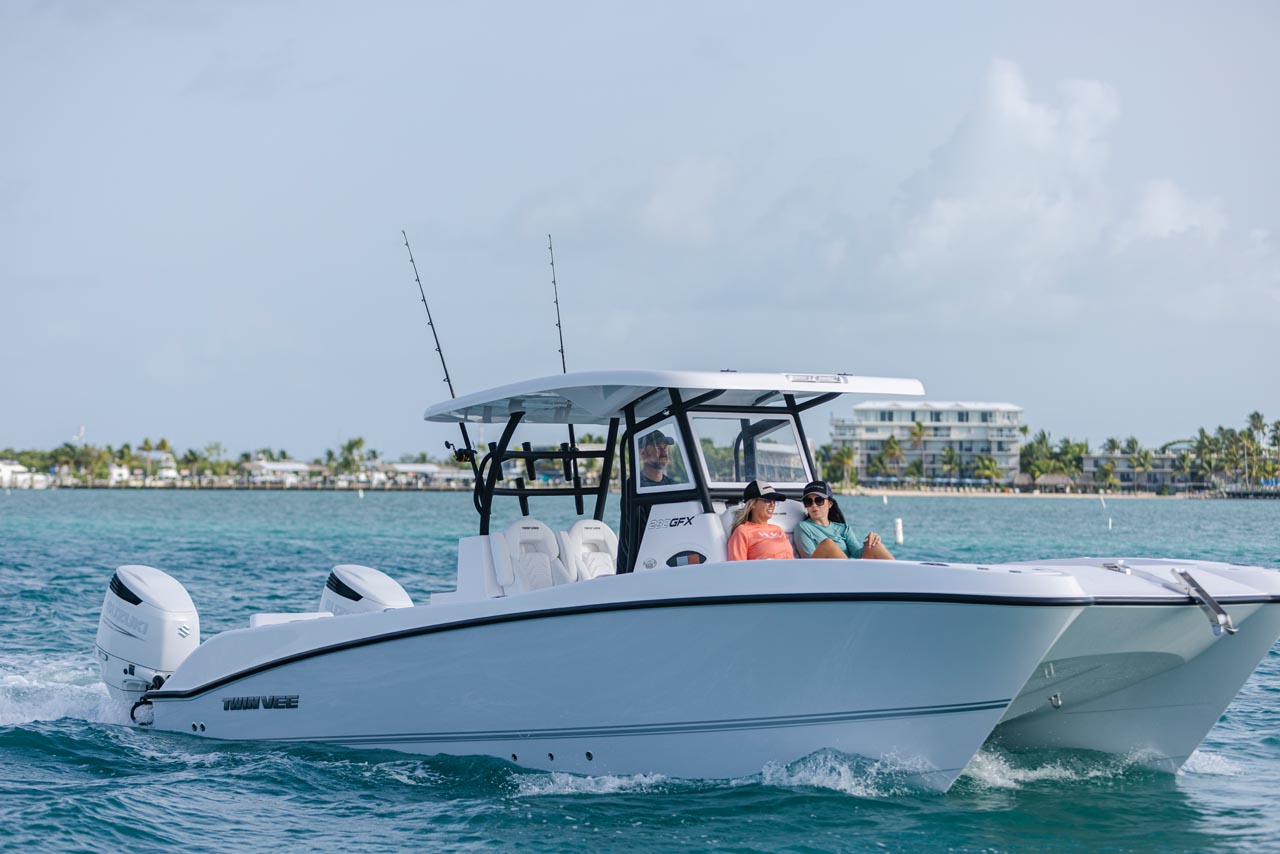
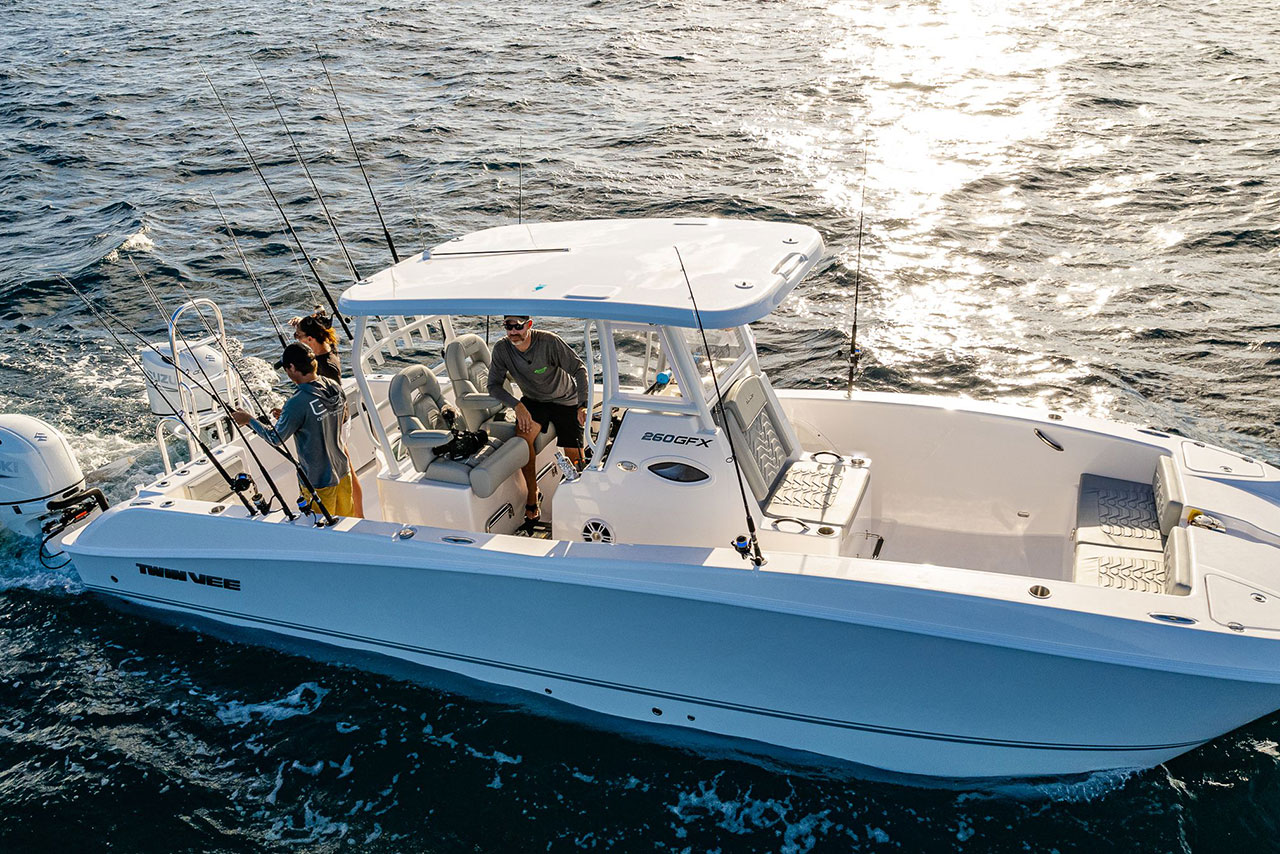
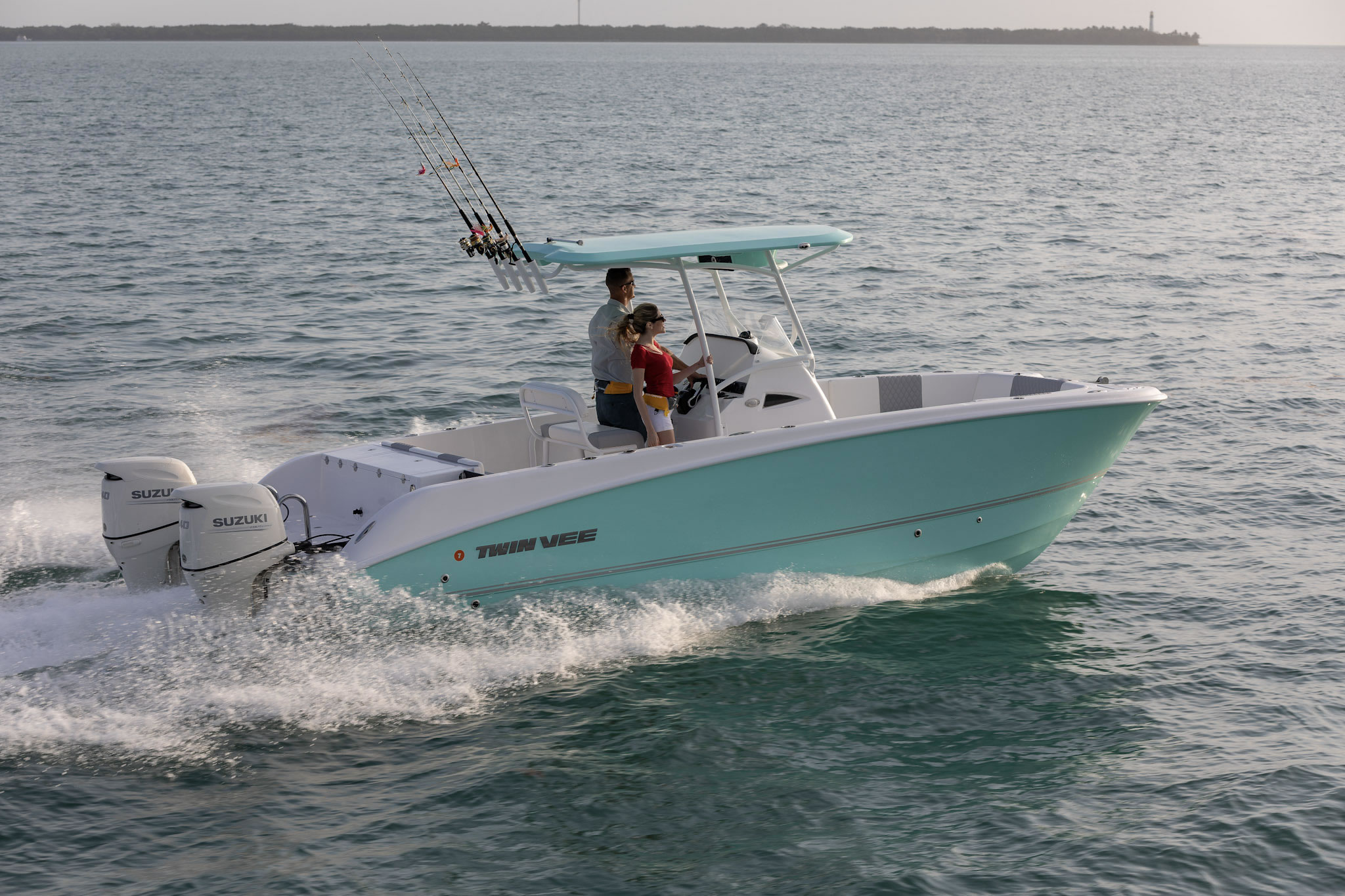
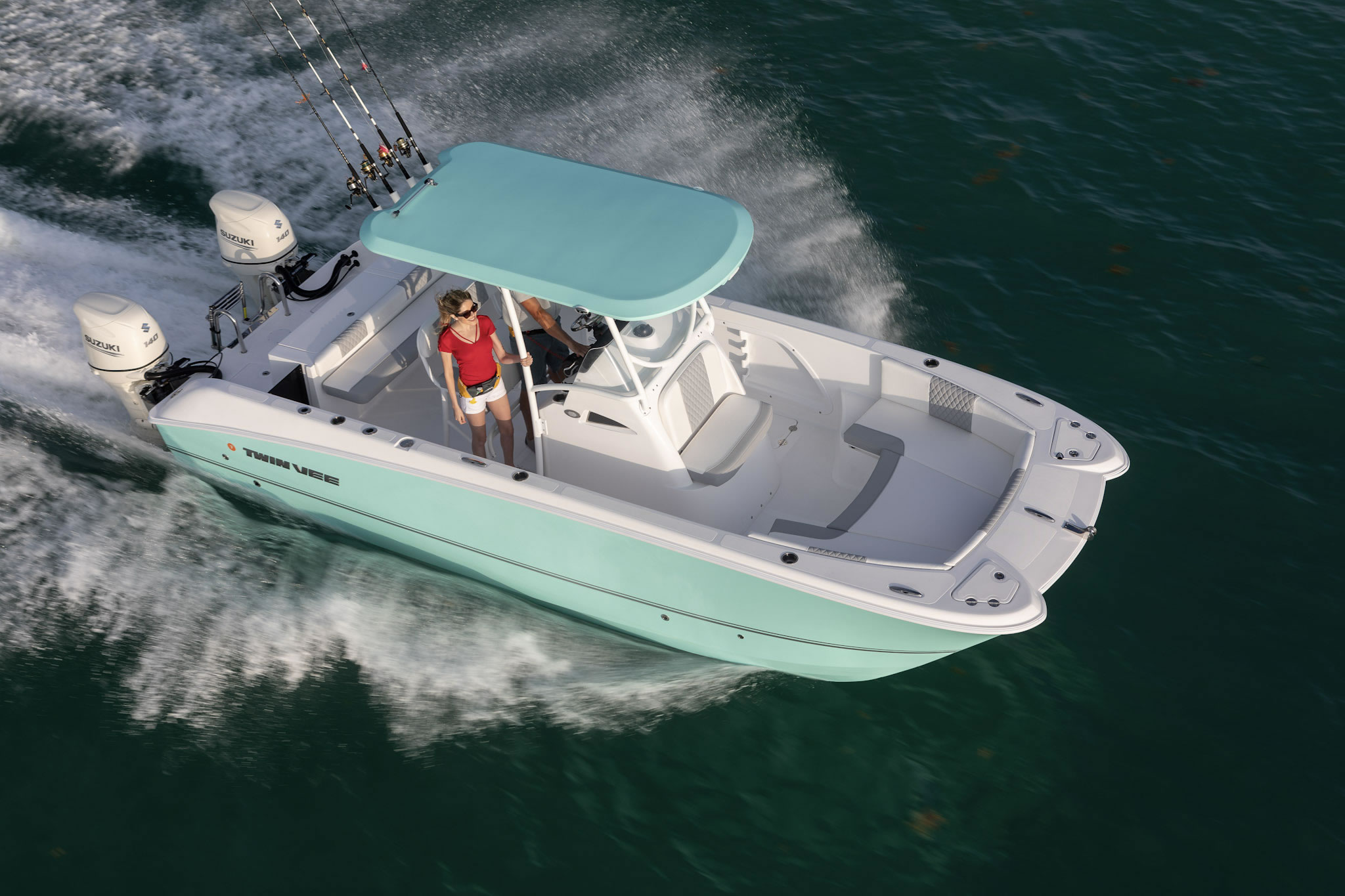
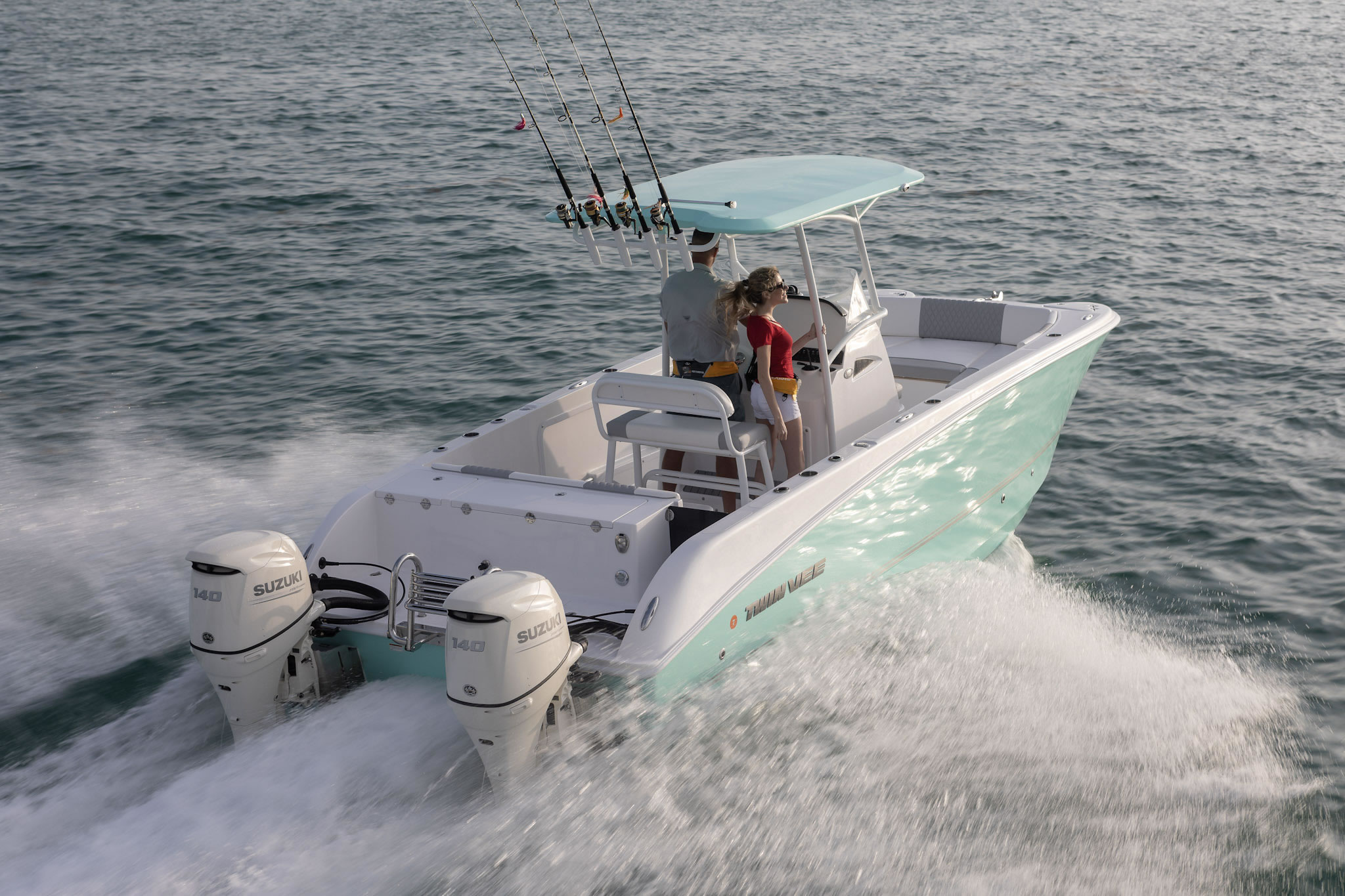
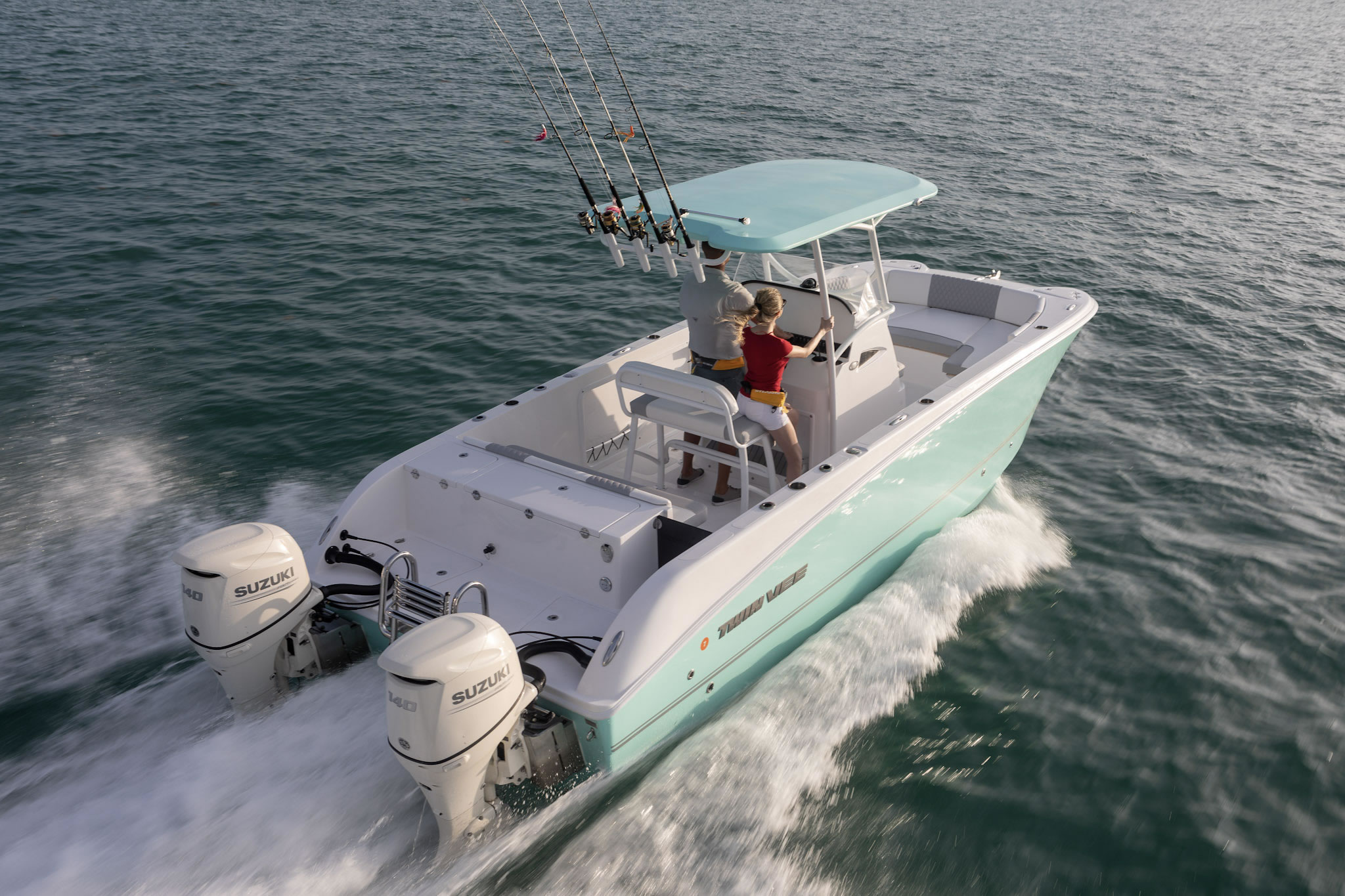
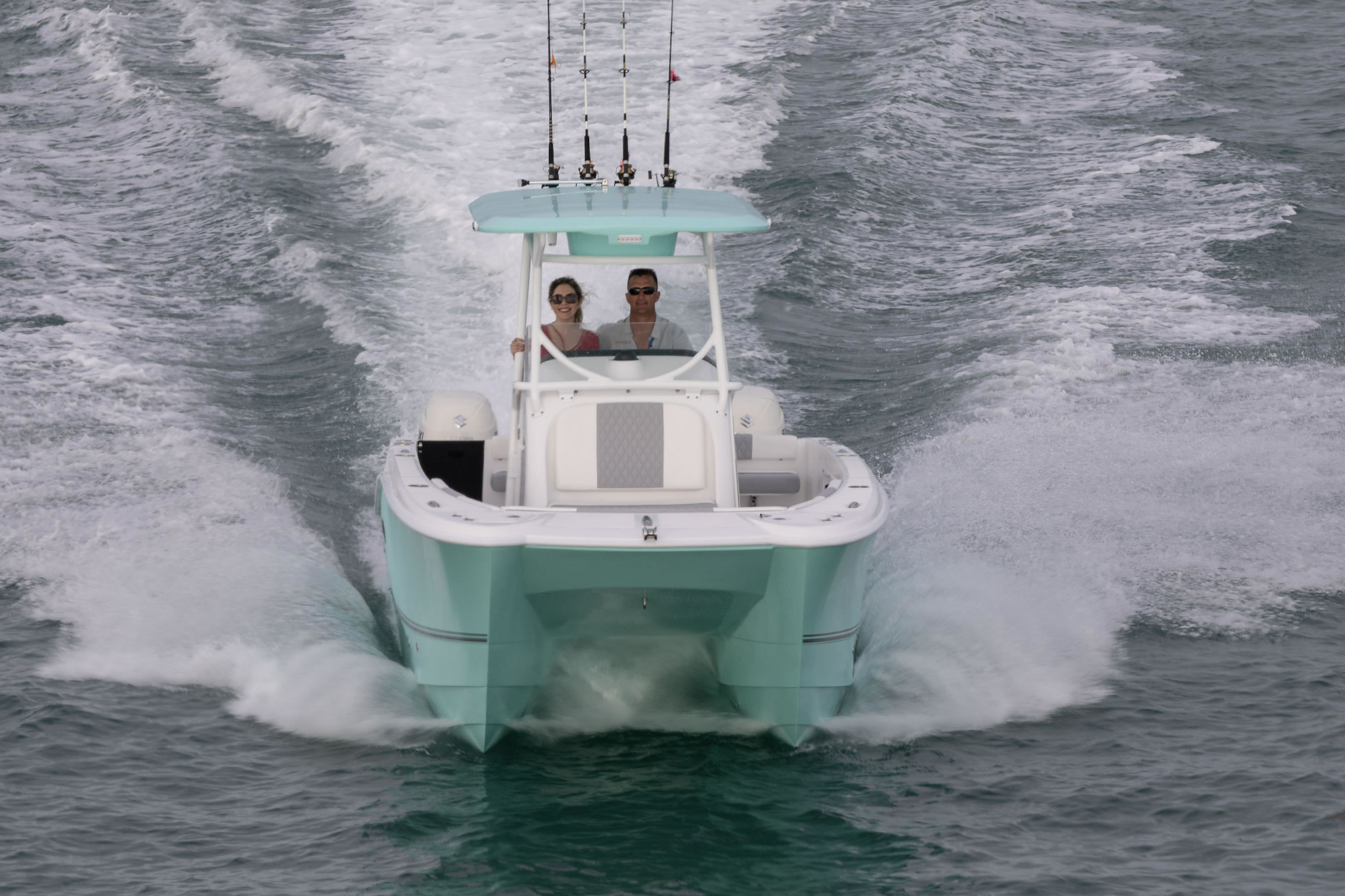
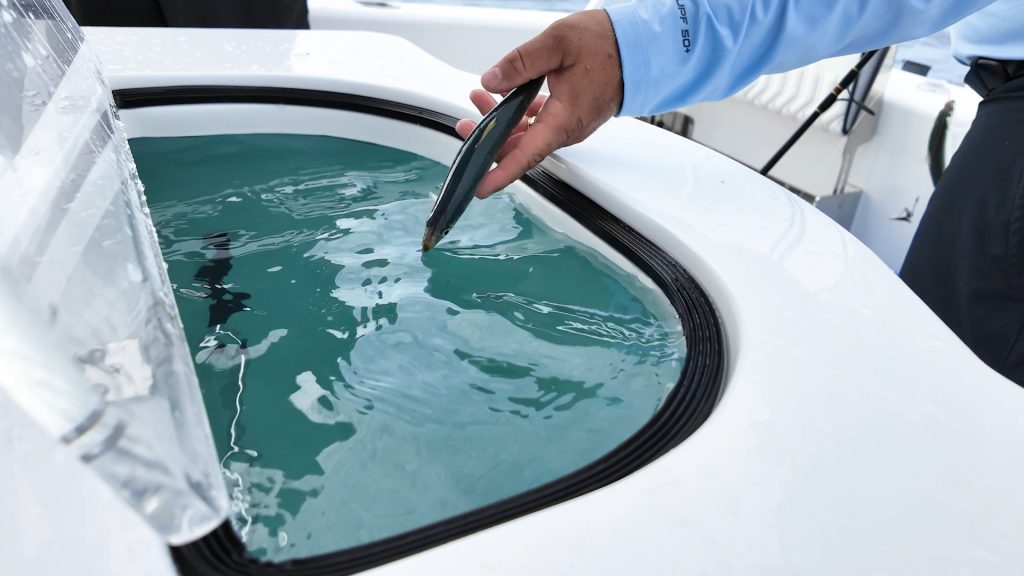
A properly set up livewell system can be the difference between healthy bait and a long day of frustration. Boats such as the Twin Vee 340 GFX or the 400 GFX2, equipped with the Hooker sea chest livewell system are designed to deliver consistent water flow and pressure, but correct operation matters.
Captain Skip walks through the correct way to run the Hooker livewell system on a Twin Vee, using the 340 GFX as an example. The same principles apply across Twin Vee models equipped with this system.
This guide breaks down how the system works, what controls matter most, and the most common mistake owners make.
Understanding the Hooker Sea Chest System

The Hooker system uses a centralized sea chest that feeds water to the livewells through dedicated pumps. Water enters the system through a through-hull intake, fills the sea chest, and then flows to each livewell depending on which pump and valve are open.
On the 340 GFX, the system uses two 2500-gallon-per-hour pumps. These pumps supply water to the livewells and allow the operator to adjust flow depending on bait type and conditions.
Even though there are two pumps, they are not designed to run at the same time.
The Most Important Rule: Never Run Both Pumps Together
This is the single most critical takeaway from Captain Skip’s walkthrough.
You should never run both livewell pumps at the same time.
Running both pumps simultaneously can cause a vacuum lock in the Hooker sea chest. In more severe cases, it can overload the system and lead to pump motor failure. This mistake is where the majority of livewell problems occur. Avoid damaging your system and down time from fishing by using only one sea chest pump at a time.
One pump provides more than enough flow to fill and pressurize two livewells at the same time when set correctly.
If you remember only one thing from this guide, remember this rule.
Identifying the Key Components
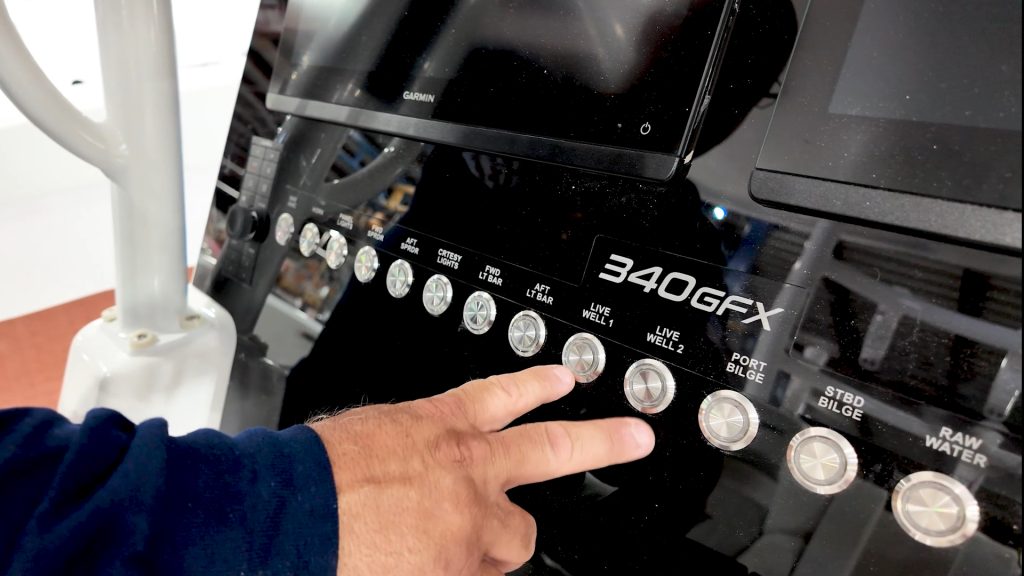
Before operating the system, it helps to understand what you are looking at.
The through-hull intake supplies raw water to the sea chest. From there, water moves through two separate pump circuits labeled livewell one and livewell two.
Each pump has:
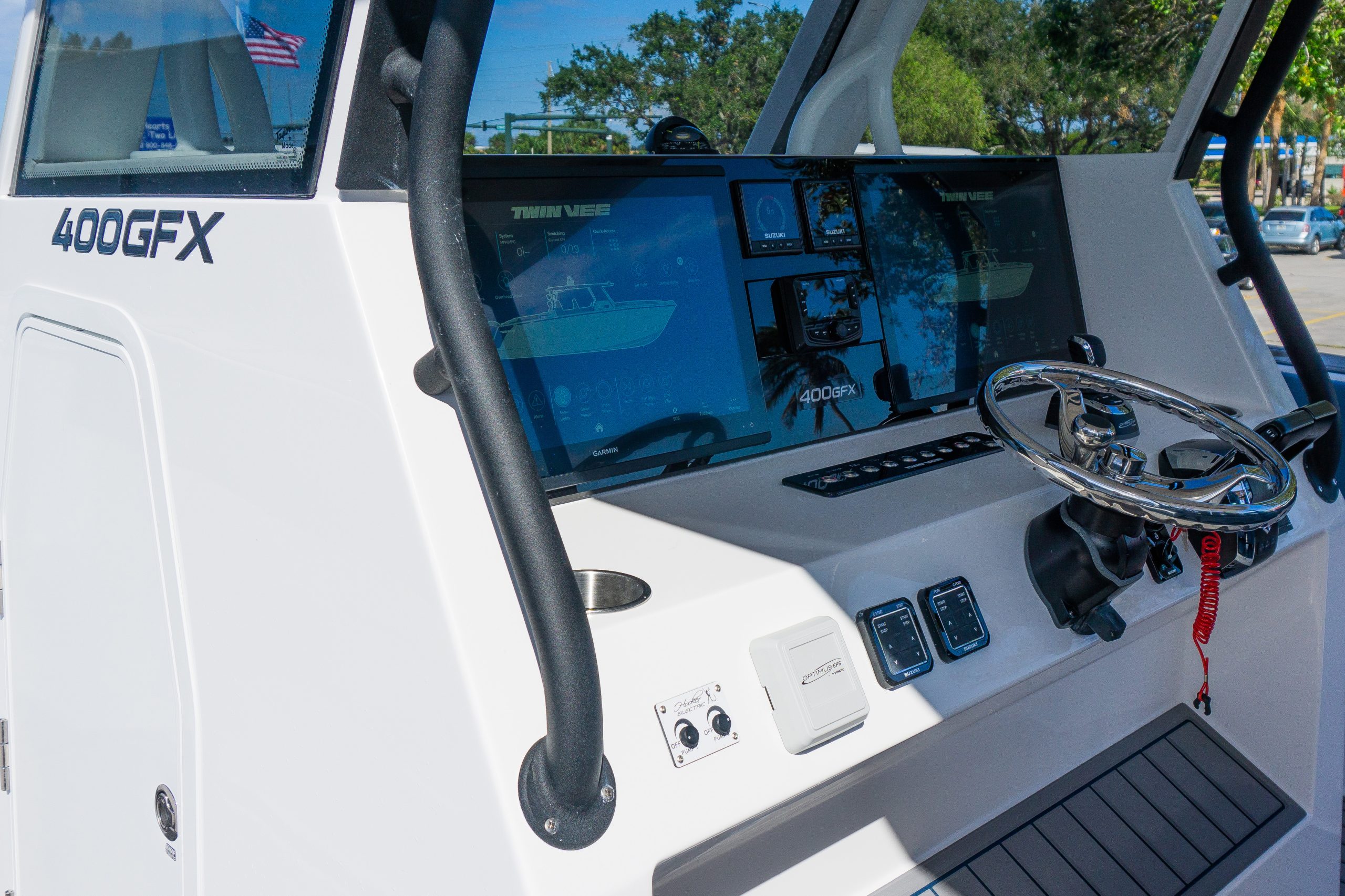
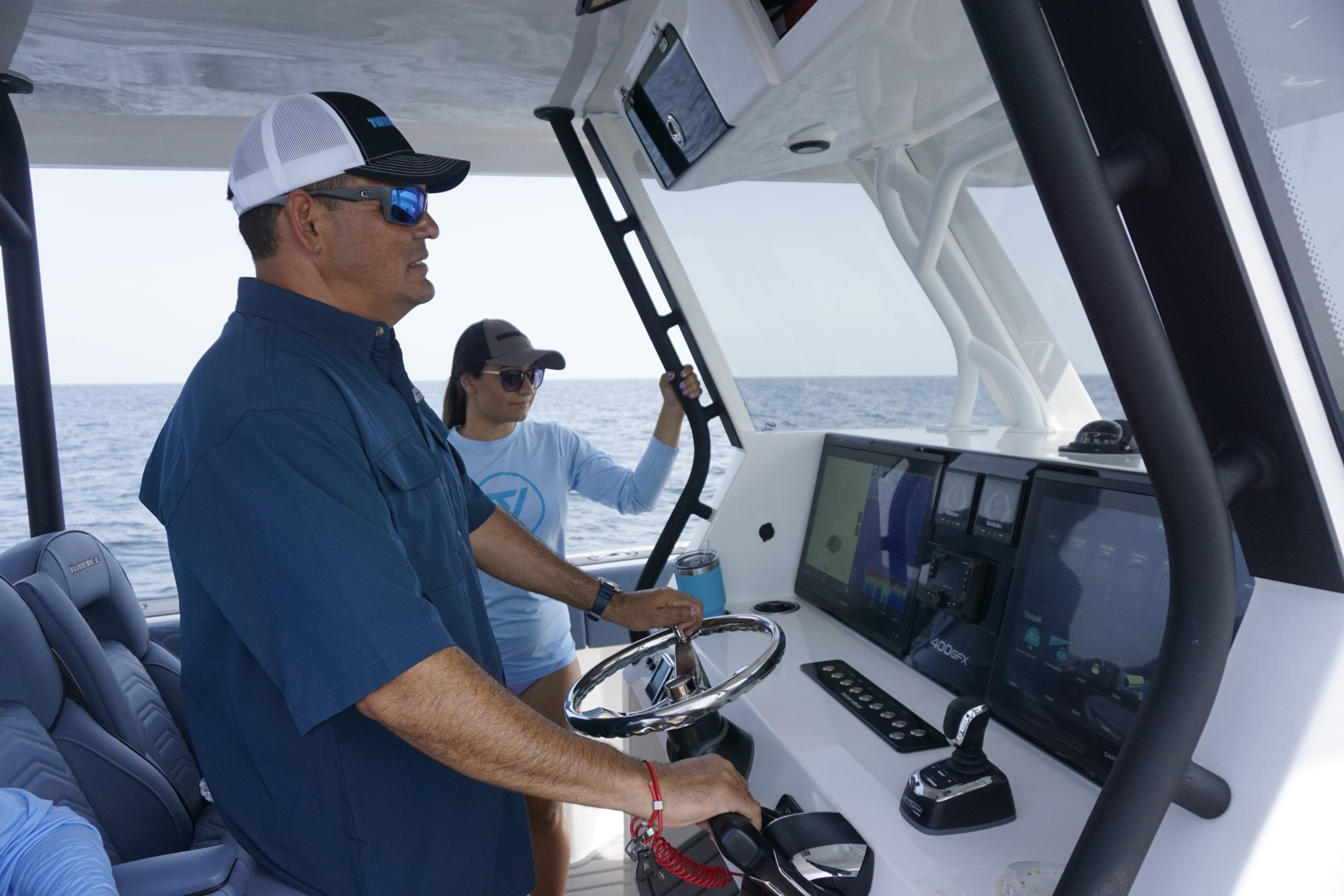
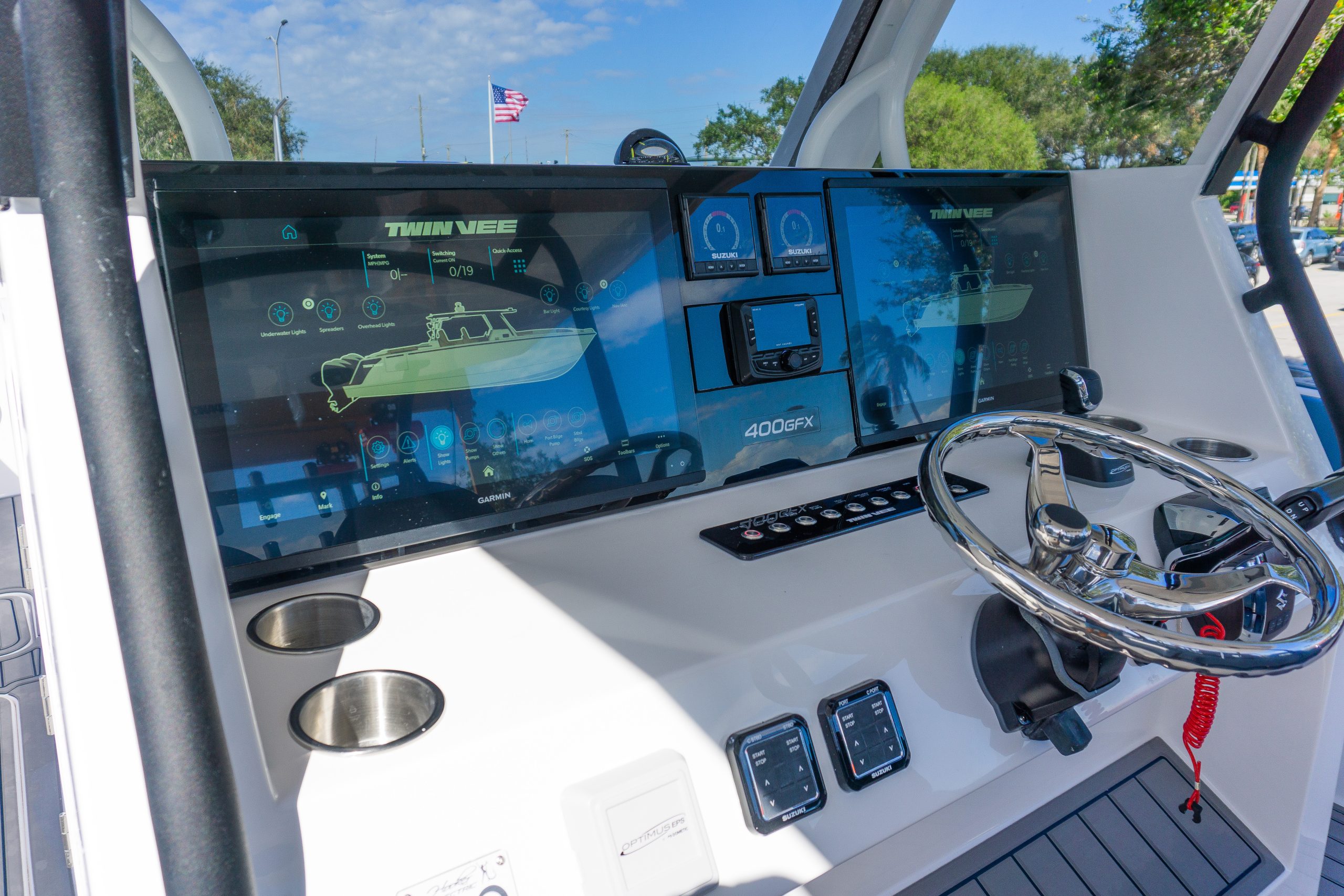
- A dedicated switch at the helm
- A flow control meter at the helm that adjusts how much water moves into the livewells
- A corresponding ball valve in the bilge
The ball valves control whether water can flow through each pump circuit. Their position matters as much as the pump switch itself.
How to Run Livewell One Correctly
To operate livewell one:
- Turn on the livewell one switch at the panel.
- Locate the flow control meter for pump one.
- Adjust the flow based on your needs.
For normal operation with two livewells running, setting the flow between half and three-quarters provides strong, consistent circulation. If you need to pressurize a livewell, increase the flow to full.
Next, confirm the correct ball valve positions in the bilge:
- The ball valve for pump one should be parallel, which means open.
- The ball valve for pump two should be perpendicular, which means closed.
This ensures water flows only through the active pump.
Switching to Livewell Two
When you want to use livewell two instead:
- Turn off livewell one completely.
- Turn on livewell two at the panel.
- Adjust the flow using the pump two flow meter.
In the bilge:
- The ball valve for pump two should be parallel and open.
- The ball valve for pump one should be perpendicular and closed.
Also confirm that the ball valves for the specific livewells you want to use are open. This step is often overlooked and can cause confusion if water does not appear to flow.
Adjusting Flow for Different Situations
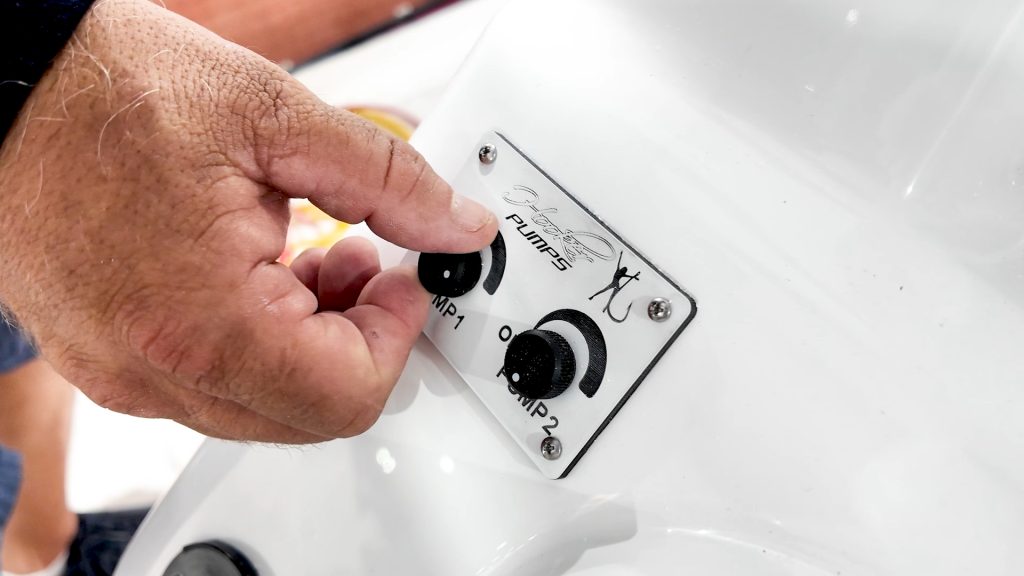
Flow control is one of the strengths of the Hooker system.
For general bait circulation across multiple livewells, mid-range flow works well. When you need higher pressure, such as quickly refreshing water or supporting more demanding bait, increase flow accordingly.
Captain Skip emphasizes that one Hooker sea chest pump, properly adjusted, can support both livewells without issue.
Tuna Tubes and High-Flow Upgrades
For anglers running tuna tubes, the standard pump configuration may not provide enough volume.
Twin Vee owners can upgrade to 4500 GPH or even 7500 GPH pumps, depending on their specific needs. These higher-capacity pumps support the increased flow requirements of tuna tubes while still operating through the Hooker sea chest system.
Pump upgrades should always be paired with proper valve management and electrical capacity checks.
Common Mistakes to Avoid
Most Hooker livewell issues come down to a few avoidable errors:
- Running both pumps at the same time
- Forgetting to open the correct ball valve
- Leaving the wrong valve open when switching pumps
- Assuming more pumps means better flow
The system works best when operated deliberately and methodically.
Final Thoughts on Livewell Operation
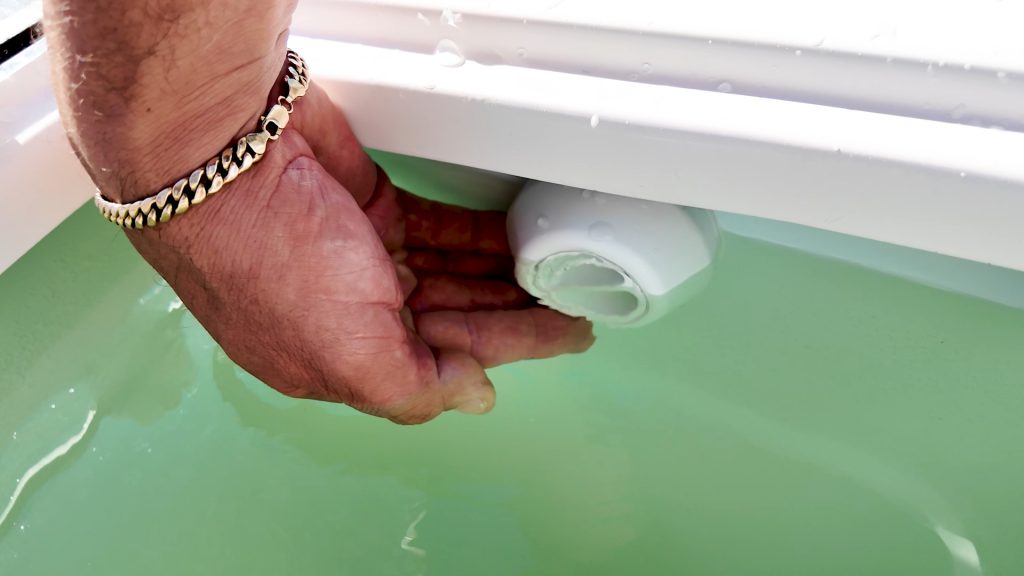
The Hooker livewell system on a Twin Vee is designed for reliability and flexibility. When used correctly, it delivers consistent flow, strong pressurization, and excellent bait health.
Take a few minutes to understand your pump switches, flow meters, and ball valves. Doing so prevents damage, extends pump life, and keeps your livewells performing as designed.